Bar With Private Room vs Traditional Event Space: Which Is Better
Choosing a venue sounds simple until the guest list grows, the budget tightens, and three people in the planning thread start using the phrase “overall experience” in completely different ways. At that point, the question gets practical fast: do you book a Bar With Private Room, or do you go with a traditional event space?
I have seen both options work brilliantly, and I have seen both misfire for reasons that were obvious only after the deposit was paid. The better choice usually has less to do with prestige and more to do with how the event is meant to feel, how much structure it needs, and how much friction the host can tolerate on the day itself.
A private room inside a bar can be flexible, lively, and surprisingly cost-efficient. A traditional event space can give you control, polish, and breathing https://remingtonwamn423.opalvector.com/posts/bar-with-private-room-inspiration-for-chic-cocktail-receptions room that a hospitality venue often cannot. Neither is universally better. The real difference shows up in logistics, guest behavior, sound, timing, and the many small details that most people do not think about until they are standing at the check-in table looking for extra chairs.
The first question is not price, it is energy
Before comparing line items, think about the atmosphere you want people to walk into. That alone rules out a lot of bad-fit venues.
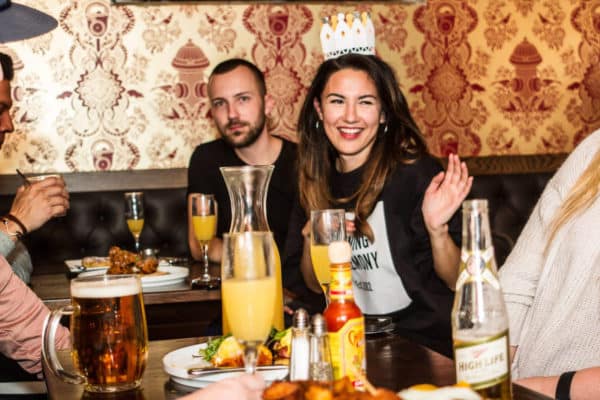
A bar with a private room tends to carry built-in energy. Even if your room is separated from the main floor, the venue still has a social pulse. Staff move with urgency, drinks come quickly, lighting is often flattering, and guests understand the setting without much explanation. They know how to behave in a bar. They mingle faster, settle in faster, and usually need less prompting to relax.
Traditional event spaces are different. They begin as blank canvases or near-blank canvases. That can be a major advantage if you need a custom setup, formal staging, branded visuals, or a specific flow. It can also create work. If the room has no natural atmosphere, you are responsible for building it through lighting, rentals, music, décor, and timing.
For a birthday dinner, rehearsal party, networking mixer, alumni happy hour, or team celebration, a Bar With Private Room often feels naturally right. For a conference session, fundraiser, training day, awards program, or wedding reception with ceremonial moments, a traditional venue usually handles the format more gracefully.
I once watched a company try to host a highly structured quarterly presentation in a stylish bar loft. The room looked great in photos. The drinks were excellent. But every serious moment had to fight ambient bass from the floor below, servers squeezing past a projector stand, and guests drifting into cocktail mode before the leadership team finished speaking. It was not a disaster, but it was the wrong energy for the objective.
What a bar with private room does exceptionally well
A private room in a bar solves several planning problems at once. You get food and beverage service, a social setting, and a semi-exclusive area without having to coordinate half a dozen vendors. That matters more than people realize.
The strongest advantage is convenience. Many bars already know how to host groups of 20 to 80 people, sometimes more. They have event menus, staffing models, minimum spends, music systems, and a manager who has handled every variation of “we have six more guests than expected” before. You are not inventing the event from scratch. You are adapting an existing machine.
That convenience also tends to keep costs from spiraling. Traditional venues often look reasonable at first glance because the room rental is clearly stated. Then the add-ons arrive: furniture upgrades, AV, service staff, bartenders, catering minimums, cake cutting, security, setup labor, teardown labor, and sometimes mandatory vendor lists. A bar venue may wrap much of that into a food and beverage minimum, which can feel more tangible because guests actually consume what you are paying for.
There is also a guest psychology benefit. People are generally more willing to attend an event at a known bar or restaurant district than at a nondescript hall in an office corridor or industrial complex. Familiar neighborhoods reduce attendance friction. If people can picture the venue, they are more likely to say yes and arrive on time.
A Bar With Private Room also works well when the event’s success depends on conversation rather than presentation. Relationship-building events, casual celebrations, client socials, post-wedding gatherings, and birthday parties often thrive in environments that encourage movement and spontaneous interaction. Traditional ballrooms can sometimes feel too stiff for that, especially if the room is oversized for the guest count.
Where traditional event spaces justify the extra effort
Traditional event spaces earn their keep when control matters.
If your event includes speeches, panels, performances, product demos, auctions, seated meals, or a tightly managed schedule, a dedicated event venue can save you from a thousand small compromises. Ceiling height, acoustics, power access, backstage storage, green rooms, loading doors, and restroom capacity are not glamorous planning details, but they determine whether the event feels smooth or improvised.
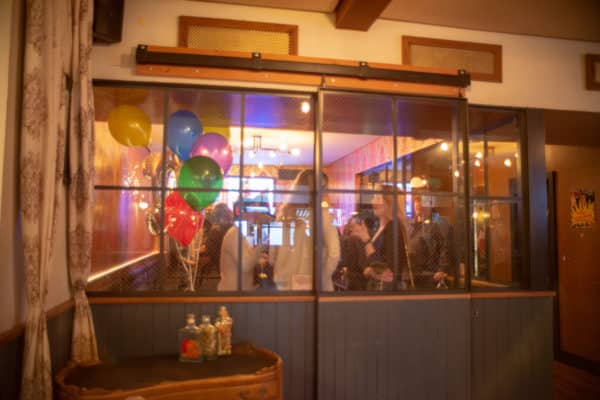
Space planning is another major difference. In a bar, even a good private room may be shaped by the building rather than by event logic. You might deal with fixed banquettes, support columns, limited staging area, or one awkward corner where no one can hear. Event spaces are usually designed around function. That matters when you need check-in, sponsor signage, seating zones, gift tables, photo areas, or room for mobility devices and strollers.
Privacy is also more reliable in a true event venue. A private room at a bar is not always fully private in the strict sense. Sometimes it is partitioned rather than enclosed. Sometimes sound carries. Sometimes guests must pass through the main venue to reach restrooms. If confidentiality, ceremony, or exclusivity matter, ask very direct questions before assuming “private room” means isolated and self-contained.
Traditional venues also give planners more freedom with branding and décor. If you need custom floral installations, step-and-repeat walls, presentation screens, elaborate table plans, or a room transformation tied to a theme, a bar may restrict what can be moved or installed. Bars are operating businesses first. Event spaces are often more prepared for customization.
The money question is usually more complicated than it looks
People often assume a bar is cheaper and a traditional event venue is expensive. Sometimes that is true. Often it is only partly true.
Bars frequently use a minimum-spend model. Instead of paying a high room rental, you agree to spend a certain amount on food and drinks. For many social events, that structure makes sense. If you were going to provide drinks and appetizers anyway, the spend is doing visible work. It can feel efficient and fair.
Traditional venues may charge a site fee or package price before food enters the picture. That can look more expensive up front, but the comparison is not complete until you account for what is included. Some event spaces bundle tables, chairs, linens, basic staff, setup time, and simple AV. Others provide almost nothing beyond the room itself. The price spread is huge.
The hidden cost category that catches hosts most often is time. A bar with an experienced events manager can save dozens of planning hours because so much is standardized. A traditional venue may require more vendor coordination, more decisions, and more day-of supervision. If you have an internal events team or a hired planner, that may be fine. If you are planning your own engagement party after work, convenience has real value.
There is also the issue of guest spending expectations. In some bar settings, especially for casual social events, guests may expect a hosted first round, a drink ticket system, or an open bar. If that is not clear, awkwardness can creep in. Traditional events usually communicate payment expectations more explicitly through the formality of the setup.
Food and beverage is not just a menu issue
One of the biggest practical differences between these venue types is how food and drink actually function in the room.
Bars tend to do beverage service extremely well because it is their core business. Cocktails arrive faster, wine service is usually smoother, and bartenders are more practiced at volume. If drinks are central to the experience, that matters. Guests notice long lines at the bar more than planners sometimes expect.
Food can go either way. Some bars have excellent group dining programs with polished service and menus designed for sharing. Others are better suited to casual bites than to a full event meal. Pay close attention to whether the kitchen can support your guest count all at once, especially if you want plated service or dietary customization. A great neighborhood bar may be wonderful for 25 guests and strained at 70.
Traditional event spaces vary because catering arrangements vary. In-house catering teams may be highly consistent, especially for weddings and corporate events. External caterers can produce excellent results too, but quality control depends on coordination, kitchen access, and timing. The flexibility can be a benefit if you need cultural cuisines or a very specific dining style that a bar cannot provide.
I have seen hosts choose a traditional space because they wanted menu freedom, only to discover that off-site catering added delivery fees, staffing complications, and service delays. I have also seen private bar rooms overperform because the menu was simple, well-priced, and designed for real group flow rather than plated perfection.
Sound, privacy, and comfort decide more events than décor
Venue photos rarely tell the truth about acoustics. This is where many otherwise smart decisions fail.
A private room inside a bar can still pick up noise from the main floor, the kitchen pass, nearby restrooms, or the DJ downstairs. If your event depends on speeches or clear conversation among older guests, ask to visit during the same day and time of week your event will happen. A room that feels intimate at 3 p.m. On Tuesday may become loud and porous at 8 p.m. On Friday.
Traditional event spaces tend to perform better for controlled audio, though not always. Large empty rooms can echo, and budget venues sometimes install the bare minimum sound treatment. Still, if you need microphones, playback, and audience focus, dedicated event rooms usually give you a stronger starting point.
Comfort matters too. Bars often win on ambiance and lose on physical flexibility. Seating may be stylish but not ideal for a three-hour formal program. High-top tables create movement but can tire guests who need stable seating. Event spaces are often less charming but more accommodating, especially for multi-generational gatherings.
If your guest list includes grandparents, young children, people with hearing issues, or anyone who will want a calm place to sit and talk, do not treat this as a minor detail. The coolest room in the city stops feeling cool when half the attendees are uncomfortable.
The best choice often depends on the type of event
Different formats naturally lean one way or the other. When clients ask for a rule of thumb, I usually offer something close to this:
- Choose a Bar With Private Room for birthday parties, engagement gatherings, networking socials, team outings, and informal client events where conversation and atmosphere matter most.
- Choose a traditional event space for weddings with formal elements, presentations, workshops, fundraising events, seated dinners, and programs with speakers or production needs.
- Lean toward the bar option when your guest count is modest, the timeline is short, and you want venue, drinks, and service under one roof.
- Lean toward the traditional option when the event must be highly customized, fully private, or structurally precise from arrival to closing remarks.
- If your event sits in the middle, schedule site visits for both and compare them at the same expected guest count, not in abstract.
That middle category is more common than people think. Consider a company holiday party with 60 guests. If the evening is mostly mingling, a few remarks from leadership, and strong food and drinks, a bar private room may be ideal. If the same company wants awards, a slideshow, entertainment, and a dance floor, a traditional venue becomes much more attractive.
Operational details that matter more than the brochure
By the time a venue sends over polished event photos, your job is to look for the friction points hidden outside the frame.
Ask where guests queue on arrival. Ask where coats go. Ask whether the private room has its own restroom access. Ask what happens if your event runs 30 minutes late. Ask whether background music from the main venue can be lowered. Ask who controls the thermostat. Those questions sound fussy until they become your problems.
A bar with a private room may have stricter timing because it is fitting your event into a live service day. Setup windows can be tight. Décor access may be limited. Outside cakes, vendors, and AV equipment may trigger extra fees or restrictions. The venue might need the room turned over quickly for a second event or regular evening service.
Traditional spaces often offer more setup and breakdown time, though usually at a cost. They may also require insurance certificates, approved vendors, and more formal contracts. That process can feel heavier, but it creates predictability.
Before signing anything, get clarity on these points:
- The exact hours you have access to the room, including setup and teardown
- Minimum spend or rental fee, plus tax, gratuity, and service charges
- What furniture, AV, staffing, and cleaning are included
- Noise limitations, music control, and microphone policies
- Cancellation terms and what happens if your final headcount changes
Those five items account for a remarkable share of post-booking frustration. They are also where two venues with similar headline prices can end up very far apart in real cost.
Guest experience should outweigh planner convenience, but not by much
Hosts sometimes choose the venue that is easiest to book rather than the one that best serves the guest experience. Sometimes that is a mistake. Sometimes it is wisdom.
If you are planning a personal event without professional support, operational simplicity matters. A venue that handles bar service, kitchen timing, staff, tables, glassware, and cleanup can spare you from being the unpaid floor manager at your own celebration. That is one reason a Bar With Private Room has become so popular for milestone birthdays, rehearsal dinners, and company socials. It lets the host be present.
Still, convenience should not blind you to mismatch. If your event requires quiet attention and ceremonial pacing, no amount of nice lighting will make a bar feel like the right stage. Likewise, if your goal is easy human connection, a cavernous event hall can drain the room before the first drink is poured.
The best venue supports the behavior you want from guests. That is the test that cuts through aesthetic trends and sales language. Do you want people circulating, laughing, and ordering another round? A bar room helps. Do you want them seated, focused, and oriented toward a program? A traditional event space helps.
So which is better?
Better for what is the only honest answer.
A Bar With Private Room is often better for social events that need warmth, efficiency, and built-in atmosphere. It shines when food and drink are central, guest counts are moderate, and the host wants fewer moving parts. It is especially strong when the event should feel lively rather than staged.
A traditional event space is better when structure, privacy, customization, and production quality matter more than spontaneous energy. It earns its cost when the event includes formal moments, technical requirements, or a guest experience that depends on control.
If you are deciding between the two, stop comparing them as abstract categories. Compare a specific bar room and a specific event venue against the actual shape of your event: the timeline, the headcount, the age range, the purpose, the budget, and the kind of memory you want guests to carry home.
That is where the right answer tends to reveal itself. Not in the brochure, and not in the photo gallery. In the fit.
The Winslow
Address: 243 E 14th St, New York, NY 10003
Phone number: +12127777717
FAQ About Bar With Private Room
Which bars in NYC offer private rooms?
Many bars in New York City offer private and semi-private rooms for parties and events, ranging from hidden basement speakeasies to upscale lounge spaces. Top options include The Back Room on the Lower East Side, Dear Irving Gramercy, Pebble Bar in Midtown, Mister Paradise in the East Village, and The Winslow in the East Village.
What is a private room in a pub called?
A small, private seating area or partitioned booth in a traditional pub is most commonly called a snug. Larger private rooms used for events, parties, or dining are typically referred to as private dining rooms, function rooms, or back rooms.
How much does a 2 hour open bar cost?
A 2-hour open bar generally costs between $15 and $45 per person, depending heavily on the quality of alcohol you choose. For a standard group of 100 guests, this translates to an overall cost of $1,500 to $4,500 before taxes, setups, and staff gratuities.