Irish Pub NYC Nights: Music, Atmosphere, and Great Company
New York has no shortage of places to drink, gather, flirt, argue, celebrate, and stay out later than planned. Yet an Irish pub still holds a special place in the city’s nightlife. Not because every room is identical, or because every bar with dark wood and a Guinness sign deserves the label, but because the best ones offer something increasingly rare in a fast, distracted city. They make people settle in.
A strong Irish pub in NYC does not rely on novelty. It does not need a gimmick cocktail menu, a neon wall, or a forced sense of exclusivity at the door. Its appeal comes from steadier things: the warmth of the room, the pace of service, the conversation at the bar, the sudden lift when live music begins, and the small but telling details that separate a generic tavern https://cesarsfpy606.cloudhinter.com/posts/how-an-irish-pub-nyc-experience-adds-charm-to-any-evening from a place people return to for years. Good company matters in any setting, but in an Irish pub it seems to become the main event.
That is why the category endures. On an ordinary Tuesday, on St. Patrick’s Day, after work on a rainy November evening, or near midnight when a band hits its stride, the best Irish pubs across the five boroughs manage to feel both lively and grounded. They can host office workers unwinding after a long day, tourists looking for atmosphere, musicians finishing a set, neighborhood regulars guarding their stools, and couples on first dates who suddenly realize they picked the right room.
What makes an Irish pub feel right in New York
People often talk about authenticity as if it were something easy to measure. In practice, it is subtler than that. Some of the most convincing Irish pubs in New York were built carefully over time rather than imported whole, and some bars with all the expected visual cues still feel hollow. The real test is less about decor in isolation and more about whether the room functions the way a pub should.
When you walk into a good one, the layout guides the evening without shouting about it. The bar is usually the anchor, broad enough to attract solo drinkers and small groups alike. Sightlines matter. You can see the taps, catch a glimpse of the music corner, read the room in seconds. Booths or snug tables soften the edges for longer conversations. Lighting tends toward amber rather than bright white. The wood, brass, mirrors, and worn surfaces do more than create a look. They absorb the noise, flatter the crowd, and encourage people to linger.
There is also a practical side to the experience that frequent pub-goers notice immediately. Can you order without fighting the room? Does the bartender make eye contact even when three deep? Is the Guinness poured with care rather than rushed? Are the pints served at the proper temperature for the style, instead of ice cold by default? Can you hear the person beside you before the band starts, and does the room still feel energetic after the music begins? These are operational questions, but they shape the emotional memory of the night.
New York adds its own spin. Space is tighter, rent is higher, and crowds move faster than in many traditional pub settings. A pub here has to work harder. It needs to balance neighborhood familiarity with the city’s constant churn. That balancing act is where many places either become beloved or fade into the background.
The role of music, and why it changes the room
Live music is one of the clearest ways an Irish pub separates itself from an ordinary bar. Not every great pub needs a band every night, but music, when handled properly, transforms the atmosphere without overwhelming it. The goal is not spectacle. The goal is lift.
A fiddler, guitarist, bodhrán player, or a small acoustic group can change the energy of a room in under a minute. Conversation does not stop, it recalibrates. People lean in closer between songs. Strangers tap the bar in rhythm. Someone who planned to leave after one pint orders another. That is the magic. Music in this setting works best when it feels integrated into the life of the pub rather than staged as a separate performance event.
Traditional Irish sessions have their own etiquette and their own charm. In some pubs, the musicians gather in a corner and play standards, reels, jigs, and ballads with enough freedom to keep the set alive. In others, the music broadens into folk, classic sing-alongs, or pub rock. Both approaches can work. What matters is fit. A tiny room packed shoulder to shoulder may come alive with fast, bright instrumentals. A larger, more mixed crowd may respond better to songs people can join in on by the second chorus.
The biggest mistake a venue can make is treating live music as mere filler. Volume that is too high kills the social side of the night. A band that ignores the room and plays as if in a concert hall misses the point. The best pub musicians understand that they are shaping a communal atmosphere, not demanding all attention. They leave room for laughter, requests, and the little exchanges that make pub nights memorable.
I have seen this play out in all kinds of ways. On one winter night downtown, a duo started with a slow ballad while half the room was still finishing dinner. By the third song, stools had turned toward the music and a group near the back had begun singing harmony. No one announced that the evening had shifted. It simply did. That kind of organic transition is hard to manufacture and easy to recognize when it happens.
Great company is the real attraction
People often say they go to a pub for the drinks or the music, but most return for the company. That does not always mean arriving with a group of close friends. One of the quiet strengths of the Irish pub format is how well it accommodates every kind of social mood.
If you come in alone, the bar offers a built-in structure. You can read the room, exchange a few words with the bartender, and become part of the evening without feeling exposed. In many louder, more stylized venues, being alone can feel awkward. In a pub, it often feels normal. That is no small thing in a city where solitude and crowding coexist every day.
If you come with friends, the pub rewards conversation better than almost any nightlife setting. You can sit for hours over pints, split a few plates, argue about sports, tell stories badly, then tell them again better. If you are meeting someone for the first time, a pub gives you enough atmosphere to avoid stiffness and enough simplicity to avoid distraction. Few places are better for a second date than a pub where the music starts just as the nerves wear off.
Regulars play a huge part in the ecology of a good Irish pub NYC crowd. Their presence stabilizes the room. You can feel it even if you do not know them. They greet the staff by name, wave newcomers into open seats, and set an unwritten code for how the place works. The strongest pubs are not cliquish, but they are anchored by people who treat the venue as part of their weekly life. That sense of continuity is invaluable in a city where businesses turn over quickly and neighborhoods change block by block.
The bar itself, from first pour to last call
No romantic description of pub culture means much if the fundamentals are weak. Drinks matter. Service matters. Food matters more than some owners think it does. The best pubs understand that atmosphere is supported by competence.
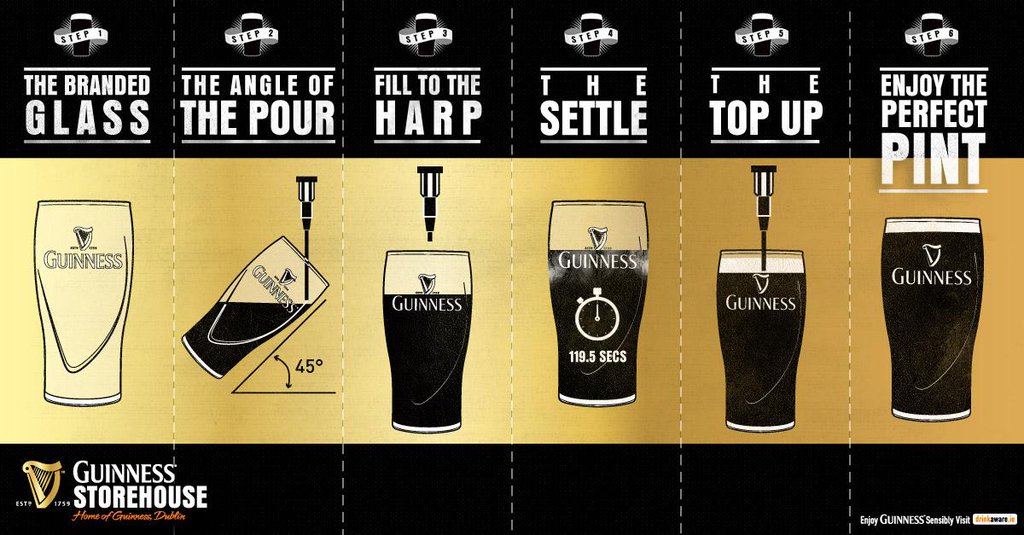
A proper pint of Guinness remains almost ceremonial in the Irish pub world, especially in New York where drinkers know the difference and are not shy about saying so. A good pour takes patience, and that patience signals standards. The head should be creamy and stable, the body cool rather than frigid, the glass clean, the presentation unforced. Beyond Guinness, a serious pub usually offers a reliable selection of Irish whiskey, a sensible draft list, and enough range to satisfy both traditionalists and casual drinkers. Not every pub needs a hundred bottles or a rare cask program. It does need thoughtfulness.
Bartenders in these places perform a delicate job. They must move quickly without making the room feel transactional. The best ones remember what someone had last time, know when to chat and when to keep things moving, and can manage a Friday crush with surprising grace. In a packed New York bar, that skill is worth more than any interior design budget.
Food often gets overlooked in the conversation, but it should not. A pub that feeds people well lengthens the night and broadens its appeal. Classic fare, shepherd’s pie, fish and chips, bangers and mash, a solid burger, fresh soda bread if the kitchen has the ambition, does more than soak up pints. It gives the evening shape. Many people decide whether to stay for one drink or four based on whether the kitchen feels dependable. No dish needs to be precious. It does need to arrive hot, properly seasoned, and honestly made.
Different nights, different moods
One reason Irish pubs stay relevant in New York is their flexibility across the week. The room can feel entirely different depending on timing, weather, sports calendars, and who is playing music that night.
Early evenings often belong to after-work crowds. There is a useful looseness to that hour, ties coming off, boots drying near the door in bad weather, coworkers deciding whether to call it a night or order food and keep going. If the pub is near offices, expect quick turnover at first, then a slower settle as a few tables commit to staying.
Late evenings bring a wider mix. Date nights, birthday groups, musicians from other venues, hospitality workers getting their own drink after service, and neighborhood regulars all begin to overlap. This is when a pub either reveals its character or exposes its weaknesses. If the room holds together under pressure, if the music lands, if service stays warm, the night gains momentum. If it becomes too loud, too chaotic, or too indifferent, people drift elsewhere.
Weekends are their own category. Brunch culture may dominate parts of the city, but a true pub often shines later in the day, when the first sports crowd blends into dinner and then slides toward music and pints. Around major soccer or rugby matches, the atmosphere can be electric. On those days, the pub becomes less a bar than a shared emotional arena. Strangers celebrate, groan, and debate as if they have known one another for years.
Then there is the holiday season, especially around St. Patrick’s Day, when the phrase Irish Pub NYC becomes a search term, a destination, and in some cases a warning. The best move for experienced patrons is usually to avoid the obvious peak hours unless they enjoy maximum density and noise. There is nothing wrong with the festive crush, but it is not always the best representation of what makes these pubs special. A random Thursday in February often tells you more than March 17 ever will.
How to choose the right pub for the night you want
Not every Irish pub suits every purpose, and seasoned New Yorkers tend to choose carefully. Some rooms are ideal for conversation. Others are built for singing and standing shoulder to shoulder. Some excel at sports viewing. Others feel more literary, more intimate, more suited to a slow whiskey than a lively round.
A little judgment goes a long way. If you want a serious talk with an old friend, avoid the pub known for packed live sets after 9 p.m. If you want music, do not choose the place that closes its kitchen early and quiets down by ten. If you care about pouring quality, watch what comes across the bar before ordering. If you are taking out-of-town guests, look for a place with personality rather than one trying too hard to be an attraction.
A few practical signals help:
- A balanced crowd usually beats an overly curated one.
- Staff who acknowledge you quickly tend to run the room well all night.
- Music posted as a regular session often feels more natural than a one-off event.
- A menu with a few dependable classics is better than an overextended kitchen.
- If locals stay after the first round, that tells you plenty.
These are not hard rules, but they are useful indicators. Like many things in hospitality, quality reveals itself through small consistencies rather than big claims.
Why the atmosphere lasts in memory
People rarely remember every drink they had on a great night out. They remember how the room felt. They remember the song everyone joined, the friend who unexpectedly showed up, the bartender who slid over a fresh pint at just the right moment, the stranger who recommended a whiskey and turned into an hour-long conversation. Irish pubs are unusually good at generating those memories because they are built around interaction rather than performance.
There is also something reassuring about the physicality of a pub. In an era of reservations, QR codes, timed seatings, and bars designed to be photographed more than occupied, a proper pub still invites use. Lean on the wood. Stay for another round. Talk to the people beside you. Let the evening run a little longer. That quality may sound simple, but it is not accidental. It comes from thoughtful service, durable design, and a philosophy that values hospitality over trendiness.
New York, for all its velocity, still rewards places that can slow people down without boring them. The Irish pub does that better than almost any nightlife format in the city. It offers movement without frenzy, music without pretense, and social life without too many rules. It can be boisterous, sentimental, funny, and deeply ordinary all at once. That combination is harder to build than it looks.
A night worth repeating
The enduring appeal of an Irish pub in NYC has very little to do with nostalgia alone. These spaces survive because they continue to serve a real need. People want rooms that feel alive but not manufactured. They want music that sharpens the night instead of swallowing it. They want to drink well, eat something honest, and spend time with people who matter, or meet people who might.
On its best nights, the pub becomes a kind of social equalizer. The young analyst from Midtown, the couple from Queens, the musician from the Village, the visitor from Cork, and the retired regular from the next block all share the same room and, for a while, the same rhythm. The city does not always make that easy. A good pub does.
That is why these nights stay with people. Not because they were extravagant, but because they felt complete. The music carried. The room held. The company was right. In New York, that is more than enough reason to come back.
Hibernia Bar
401 W 50th St
New York, NY 10019, United States
Phone: +1 212-969-9703
FAQ About Irish Pub NYC
What is the best Irish pub in NYC?
The best choice depends on your location and preferred atmosphere. Hibernia Bar is a neighborhood Irish pub in Hell's Kitchen offering Guinness, Irish whiskey, pub food, and sports viewing.
Where do Irish people go in NYC?
New York's Irish community gathers in many neighborhoods and venues. Hibernia Bar welcomes Irish expats, local residents, and visitors at 401 W 50th St, just off Ninth Avenue.
Where can I watch GAA games in New York?
Hibernia Bar lists GAA among the sports it shows. Call +1 212-969-9703 to confirm coverage and opening times for a particular match before visiting.
What is the difference between a bar and a sports bar?
A sports bar emphasizes televised games and a shared viewing atmosphere. Hibernia combines sports viewing with the food, drinks, and hospitality of a neighborhood Irish pub.