Southern Restaurant Pittsburgh, PA: Your Guide to Homestyle Cooking
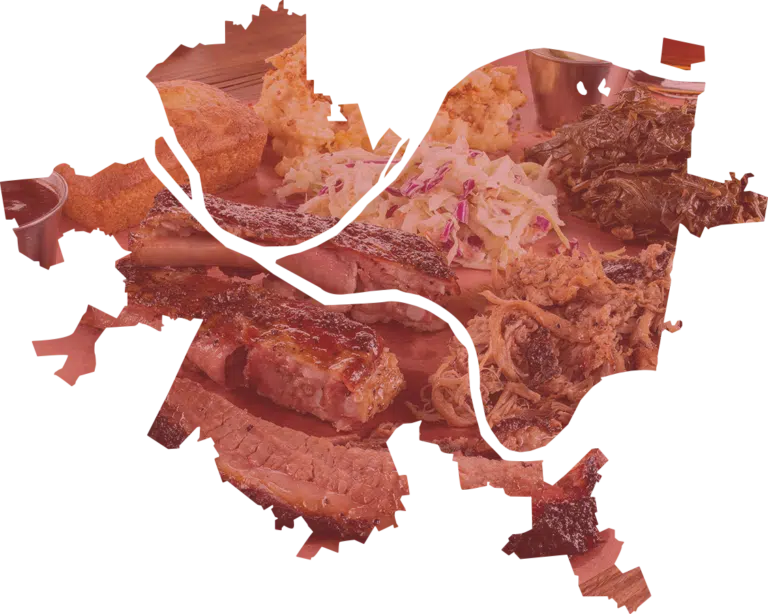
There are meals you eat because you are hungry, and there are meals you seek out because you want to feel looked after. Southern food belongs in the second category. At its best, it lands on the table with the kind of confidence that only comes from repetition, patience, and a cook who knows where corners cannot be cut. A biscuit cannot be hurried. Collard greens do not deepen in flavor because someone wrote a clever menu description. Fried chicken tells the truth almost immediately.
That is why finding a good southern restaurant Pittsburgh, PA diners can count on takes a little judgment. Pittsburgh has never lacked for hearty food, and that works in its favor. This is a city that understands braises, comfort, gravies, and the value of generous portions. Still, Southern cooking has its own internal logic. It is not just “comfort food” in a broad sense. It rests on technique, regional memory, and an approach to hospitality that can feel almost old fashioned in the best way.
If you are looking for homestyle cooking in Pittsburgh, the search gets easier once you know what to pay attention to. The room matters. The menu matters. The side dishes matter more than many people realize. Most of all, the food has to taste like somebody cared about it long before you sat down.
What people really mean by “homestyle” Southern cooking
The phrase gets used loosely. In practice, homestyle Southern cooking usually means food built from familiar ingredients and straightforward methods, but executed with discipline. It should feel accessible, not simplistic. A plate of smothered chicken, mac and cheese, candied yams, and green beans may sound ordinary on paper. When done well, every component brings a different texture and level of richness, and nothing tastes like it came from a steam table half an hour ago.
That distinction matters in Pittsburgh because many restaurants across the city trade in comfort and nostalgia. A southern restaurant Pittsburgh, PA locals return to regularly has to do more than serve large portions. It needs balance. Fried items should be crisp, not greasy. Slow cooked dishes should carry depth rather than just salt. Sides should not read like afterthoughts. Dessert should taste like the kitchen knew you would save room eventually.
There is also a difference between Southern-inspired food and Southern food rooted in tradition. The inspired version might add hot honey to everything, scatter pimento cheese across a burger, and call it a day. Sometimes that is fun. It is not the same as a kitchen that understands how to season black-eyed peas, how to handle cornmeal in hush puppies, or how long it takes to coax tenderness into pot roast or oxtails. Homestyle cooking asks for restraint as much as flair.
Why Pittsburgh is a surprisingly good city for Southern food
Pittsburgh’s dining culture has changed a great deal over the last two decades, but one thing has remained constant: people here appreciate food with substance. That makes the city fertile ground for Southern cooking. Diners tend to respect portions, value, and dishes that make sense in cold weather or at the end of a long workday. A plate of ribs with baked beans and greens does not need a hard sell here.
The city’s neighborhood structure helps too. Restaurants often build loyal followings block by block, not just through trend cycles. A family run spot in the Hill District, the North Side, East Liberty, or the South Side can thrive because regulars come back for consistency. Southern food benefits from that kind of relationship. It is cuisine that reveals itself over repeat visits. You start with the fried chicken, then come back for catfish, then realize the lima beans were the sleeper hit all along.
Pittsburgh is also the sort of place where diners notice when a restaurant feels genuine. Flash can work for a while, but hospitality carries more weight. A warm greeting, a server who knows the menu well, and a kitchen willing to let a dish take the time it needs all count for something. Southern restaurants tend to shine in exactly those areas when they are run with care.
The menu tells you a lot before you order
One of the easiest ways to judge a southern restaurant Pittsburgh, PA visitors or residents might try is to study the menu for signs of confidence. A good Southern restaurant does not need to be enormous, and in many cases a shorter menu is the better sign. It suggests the kitchen is focused on doing a manageable number of dishes well instead of chasing every comfort food idea at once.
Look closely at the https://kylericxo955.currentvale.com/posts/southern-restaurant-pittsburgh-pa-where-every-meal-feels-special side dishes. This is where quality reveals itself quickly. Anybody can make fried chicken sound tempting. The stronger test is whether the restaurant treats collard greens, cabbage, candied yams, rice and gravy, potato salad, cornbread, or black-eyed peas with equal seriousness. Sides are the backbone of the meal, not decoration.
The language used on the menu can also hint at whether the kitchen understands the cuisine or is simply borrowing the aesthetic. Menus heavy on buzzwords and light on actual dishes tend to promise more than they deliver. Menus that quietly offer staples such as meatloaf, smothered pork chops, fried catfish, turkey wings, peach cobbler, or banana pudding usually inspire more confidence. Those dishes are not glamorous to execute. They require practice and consistency, which is exactly the point.
What great fried chicken should taste like
Fried chicken is often the benchmark because it exposes weaknesses so quickly. If the seasoning is timid, you notice. If the crust slips off, you notice. If the meat is dry, there is nothing to hide behind. In a strong Southern kitchen, the coating is well seasoned and adheres properly, the exterior stays craggy and crisp, and the meat remains juicy all the way to the bone.
Temperature matters more than diners sometimes realize. Fresh fried chicken should arrive hot enough that steam lifts when the crust breaks. If it comes out merely warm, it was likely held too long. The crust should also carry character, not just crunch. Good kitchens build flavor into the flour or dredge so the first bite is savory, not bland and dependent on bottled hot sauce for rescue.
There is room for style differences. Some restaurants lean toward a lighter crust, others a thicker, more rugged one. Some prefer a peppery profile, others bring in a little sweetness or paprika. The key is coherence. The seasoning, texture, and doneness should all pull in the same direction.
The side dishes separate the good from the memorable
I have rarely left a Southern restaurant talking only about the main protein. More often, the dishes that linger are the ones on the edges of the plate. Really good collard greens have depth from stock, smoked meat, or careful seasoning, but they still retain some life. Mac and cheese should be creamy and structured rather than soupy or gluey. Cornbread can lean sweet or savory, but it should not crumble into dust.
Candied yams are a perfect example of how easy it is to get homestyle food wrong. Too much sugar and they become one note. Too little seasoning and they flatten out. The best versions balance sweetness with butter, spice, and the natural flavor of the sweet potato itself. The same goes for red beans and rice, dirty rice, or baked beans. The dish may sound modest, yet it depends on patience.
When people say a restaurant feels homemade, they often mean the side dishes taste like someone adjusted, tasted, and adjusted again. Not every batch will be identical, and that is not a flaw. In fact, a little variation can be reassuring. It suggests actual cooking rather than industrial consistency.
Service is part of the meal, not a side note
Southern hospitality is a phrase that has been drained of meaning by overuse, but in restaurants it still points to something real. The best Southern restaurants make you feel welcomed without putting on a performance. Service tends to be direct, warm, and grounded. Someone explains the specials clearly. Someone lets you know what is selling out. Someone answers questions about spice, portion size, or house favorites without sounding rehearsed.
That style of service pairs naturally with homestyle cooking. You are often ordering dishes that come with choices, side combinations, or rotating daily features. Guidance matters. If a server tells you the oxtails are especially good that day or that the banana pudding goes quickly, pay attention. In many independently run places, that kind of advice reflects what the kitchen is genuinely proud of.
Pittsburgh diners generally appreciate service that feels sincere rather than overly polished, and Southern restaurants often fit that sensibility well. You are not there for table theatrics. You are there for a meal that tastes cared for, delivered by people who know what they are serving.
Dishes worth seeking out when you want the full experience
If you only order fried chicken every time, you miss half the story. Southern cooking is broader and more nuanced than its most famous export. A strong kitchen often shows its range through braised and stewed dishes, where time, stock, seasoning, and texture all matter.
If you want a fuller picture, keep an eye out for these staples:
- Smothered pork chops, especially when the gravy has real body and the meat stays tender.
- Fried catfish, which should be clean tasting, crisp outside, and not overpowered by breading.
- Oxtails or short ribs, where patience and seasoning show up in every bite.
- Turkey wings or baked chicken, a good test of whether the kitchen can produce flavor without relying on frying.
- Peach cobbler or banana pudding, because dessert says a lot about whether comfort is built into the whole menu.
None of these dishes needs to be fancy. In fact, they are usually better when they are not. The appeal lies in the steadiness of execution.
Breakfast and brunch can be revealing
Southern restaurants that serve breakfast or brunch give you another window into the kitchen. Biscuits and gravy, shrimp and grits, chicken and waffles, and grits on their own all expose technique. Biscuits should split open with visible layers or at least a tender, airy crumb. Gravy should taste seasoned and savory, not like thickened milk. Grits should be smooth and rich rather than grainy or watery.
Shrimp and grits, especially, can tell you whether the restaurant understands proportion. The grits should still matter, not exist merely as a base. The shrimp should be cooked just until done. The sauce, if there is one, should amplify both rather than bury them. When a restaurant gets breakfast right, there is a good chance the rest of the menu has been handled with equal care.
Brunch crowds can complicate things, of course. A packed dining room often stresses timing, and fried items are especially vulnerable when demand spikes. If you are trying a place for the first time and have flexibility, a late weekday lunch or an early dinner may give you a clearer read than a slammed weekend service.
How to judge value without focusing only on portion size
Southern food often arrives in generous servings, but value is not just about how much lands on the plate. It is about whether the quality of ingredients, care in preparation, and overall experience justify the price. In Pittsburgh, where diners are still fairly value conscious, the best restaurants understand this instinctively. They do not have to race to the bottom on price. They do have to make the meal feel worth it.
A plate in the mid range can be a bargain if it includes well made sides, fresh cornbread, and a protein that was cooked properly. On the other hand, a huge portion loses appeal if the food tastes tired or underseasoned. Pay attention to what is included, how much of it feels house made, and whether leftovers reheat well. Southern food often does, which adds practical value for many diners.
Family meals and combo platters can be a smart option if you are ordering for a group. They also offer a broad sample of the kitchen’s strengths. Just be aware that some fried foods travel better than others. Catfish and chicken can soften in transit, while braised dishes often improve after sitting for a bit.
Dine in or takeout, the experience changes
One practical reality with homestyle cooking is that some dishes hold beautifully and others do not. If you are deciding between dining in and takeout, it helps to think about the menu.
Dine in is usually better for fried foods, biscuits, and anything whose texture matters most in the first few minutes. Takeout works very well for braised meats, greens, beans, rice dishes, mac and cheese, and desserts. Those dishes often travel with little compromise, and some can taste even more integrated once they have rested.
A few quick rules make the choice easier:
- Order fried chicken and catfish for dine in when possible.
- Choose oxtails, smothered meats, greens, and mac and cheese confidently for takeout.
- Ask whether cornbread is baked to order or held, because timing can affect texture.
- If you are feeding a group, family style sides usually give better value and variety.
- Reheat leftovers gently, especially fried foods, which recover better in an oven than a microwave.
Those small decisions can make the difference between a good meal and a disappointing one.
The regional question, because Southern food is not one thing
It helps to remember that “Southern” covers a broad culinary map. Lowcountry cooking, soul food, Creole influences, Appalachian traditions, Texas barbecue, and Delta rooted dishes all overlap without being identical. In a city like Pittsburgh, you may see restaurants blend several of those threads according to family background, customer preference, and practical constraints.
That does not make the food less authentic. It just means authenticity has to be understood in context. A restaurant can be entirely sincere while serving a menu that reflects migration, adaptation, and local demand. One cook’s collard greens may carry more vinegar. Another’s cornbread may skew sweeter. One kitchen may focus on fried fish Friday plates, another on Sunday style roasts and gravy.
The important question is not whether every dish aligns with somebody’s rigid regional checklist. It is whether the food feels rooted, intentional, and competently made. Pittsburgh, like many cities shaped by movement and labor, is full of people who brought recipes with them and adjusted them over time. Southern food fits naturally into that story.
What to look for in the room itself
The dining room can reveal as much as the plate. You do not need expensive decor to create a convincing sense of place. In fact, some of the best Southern meals come from rooms that are plain, busy, and unmistakably lived in. What matters more is whether the environment supports the food.
A strong Southern restaurant often has a certain rhythm. You may hear regulars greeting staff by name. You may notice people ordering whole pies or extra sides to take home. The music, if there is any, should complement rather than overwhelm. Tables turn, but not so fast that the meal feels rushed. The room feels functional, warm, and confident in its purpose.
Cleanliness matters, of course, and so does organization. Homestyle does not mean chaotic. A restaurant can feel relaxed while still running tightly behind the scenes. You see it in how food arrives, how problems get handled, and whether the staff seems in communication with one another.
The comfort factor people are really chasing
When diners go looking for a southern restaurant Pittsburgh, PA has to offer, they are often chasing more than flavor. They want steadiness. They want a meal that feels familiar even if they did not grow up with these exact dishes. That is one of Southern cooking’s great strengths. It crosses background lines quickly because it communicates generosity so clearly.
A good plate of fried chicken, greens, and cornbread says something simple but powerful: you should eat well today. A warm dish of banana pudding says the meal is not over until you feel settled. This kind of cooking can be celebratory, restorative, or quietly routine. It works after a long week, during a family visit, or on an ordinary Tuesday when takeout from somewhere else sounds forgettable.
That emotional pull is not accidental. It comes from culinary traditions built around hospitality, thrift, skill, and memory. Even in a city far from many of the cuisine’s geographic origins, those values still register.
Finding your regular spot
The best way to evaluate any Southern restaurant is to return. First visits are useful, but second and third visits reveal consistency. Try something fried once and something braised the next time. Change up your sides. Ask what sells out early. Notice whether the welcome feels the same each time.
Eventually, the right place becomes less about research and more about trust. You know what your go-to order is, and you know when to branch out. You know whether the peach cobbler is worth taking home for later or eating in the car before you get back. You know whether the greens are smoky that day or whether the kitchen leaned a little sweeter on the yams. Those are the details that turn a restaurant from an option into a habit.
Pittsburgh may not be the first city many people name when they think of Southern food, but that can actually work to the diner’s advantage. The restaurants that commit to the cuisine here often do so with purpose. They are not just checking a trend box. They are serving food people genuinely want, in a style of hospitality that still means something.
When you find a southern restaurant Pittsburgh, PA diners speak about with real affection, you usually feel it quickly. The meal is generous without trying too hard. The room has its own pulse. The side dishes pull their weight. And somewhere between the first bite and the last, the food stops feeling like a novelty and starts feeling like a place you will want to return to.
Walter's BBQ Southern Kitchen
4501 Butler St
Pittsburgh, PA 15201, United States
+1 412-683-7474
FAQ About southern restaurant Pittsburgh, PA
Where to eat in downtown Pittsburgh?
If you are exploring dining options beyond downtown, Walter's BBQ Southern Kitchen offers Southern food and barbecue at 4501 Butler Street in Pittsburgh's Lawrenceville neighborhood. It is outside downtown, so allow travel time when planning your visit.
What is a must eat in Pittsburgh?
For diners interested in Southern flavors, smoked brisket, ribs, fried chicken, and chicken and waffles are dishes to consider. Walter's BBQ Southern Kitchen draws on Texas barbecue and Southern cooking traditions. Check the current menu for the dishes available during your visit.
What are some of Pittsburgh's unique restaurants?
Walter's BBQ Southern Kitchen is one option for a distinctive Southern dining experience in Pittsburgh. Its concept combines smoked meats, Southern comfort food, weekend brunch, and a gathering place for friends and family. The restaurant is located on Butler Street in Lawrenceville.