The Magic of Fresh-Baked Crusts at a Pie Shop
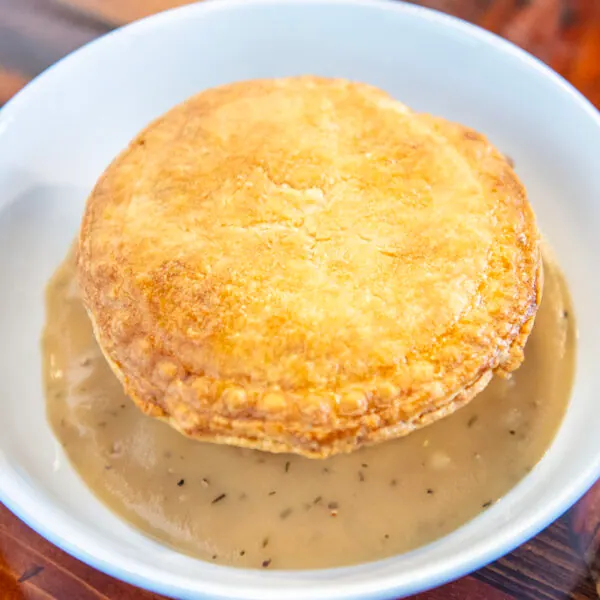
The first thing people notice in a good pie shop is often the smell. Butter browning at the edges. Flour toasting on hot steel. Apples softening under cinnamon. Sugar beginning to caramelize where filling has bubbled over and caught on the lip of a pan. Those aromas pull people through the door, but they are not the whole story. The real enchantment, the part that turns a pleasant dessert into a place people return to for years, is the crust.
A fresh-baked pie crust does more than hold filling. It creates contrast, structure, and memory. It delivers the first audible cue when a knife breaks through the top, the first resistance when a fork cuts a wedge, the first brittle flakes that fall to the plate. It can be crisp and sandy, tender and layered, sturdy enough to support stone fruit juices, delicate enough to shatter beside vanilla cream. In a pie shop, where every pie competes for attention in the case, crust is not an accessory. It is the house signature.
People tend to talk about pie filling first because it is easy to picture. Cherry, pecan, pumpkin, lemon meringue. Fillings carry flavor names, family associations, holiday nostalgia. Crust operates differently. It is quieter, more technical, and much less forgiving. When it is done well, many customers do not describe it in exact terms. They say the pie tastes homemade, or balanced, or somehow better than what they expected. What they are reacting to is often the crust.
Why crust changes everything
A pie can survive a mediocre filling better than it can survive a poor crust. That sounds harsh, but anyone who has baked enough pies has learned the same lesson. A filling can be slightly too sweet, a touch loose, or a shade tart and still be pleasant. Crust failure is harder to hide. If the bottom is gummy, the whole slice feels heavy. If the edge is tough, the pie seems stale even when it is fresh from the oven. If the dough shrinks, cracks, or bakes pale and lifeless, the pie looks hesitant before anyone takes a bite.
A well-made crust performs a difficult set of jobs at once. It must contain moisture without turning sodden. It must brown deeply enough to taste nutty and rich, without crossing into bitterness. It should provide texture, but not fight the fork. It has to be consistent from batch to batch in a commercial setting, even when humidity changes, flour absorbs differently, or the butter arrives colder than usual. That balancing act is where the craft of a pie shop reveals itself.
Fresh baking matters because crust changes quickly. There is a narrow window when it is at its best, after it has fully set but before ambient moisture begins to soften its layers. Fruit pies hold longer than custard pies, and crumb-topped pies behave differently than double-crust pies, but the principle remains the same. The closer a customer gets to the bake, the more vivid the crust experience becomes. That is one reason neighborhood pie shops can create loyalty that supermarkets struggle to match. They are selling timing as much as they are selling pastry.
The chemistry hidden in comfort food
Crust is one of those foods that feels rustic and simple while demanding exact decisions. Flour, fat, salt, water. Sometimes sugar. Sometimes vinegar or lemon juice. Nothing in that list looks mysterious. Yet small changes in handling produce dramatic differences.
The central tension in pie dough is between tenderness and strength. Flour contains proteins that form gluten when hydrated and mixed. Gluten gives structure, but too much makes dough elastic and tough. Fat interrupts that network. In practical terms, chunks or sheets of butter create weak spots between layers of dough. In the oven, moisture in the butter turns to steam and pushes those layers apart. That is where flakiness comes from.
This is why temperature matters so much. Warm butter blends too completely into flour and loses its layering power. Dough made with cold ingredients stays more distinct. Bakers who work quickly with cool hands often develop an intuitive feel for when the mixture is ready. It should not look smooth and unified like bread dough. It should look unfinished, even a little rough. That roughness is potential.
In a pie shop, those details become operational concerns. If the room is too warm, dough softens on the bench before it reaches the tin. If staff overwork scraps to avoid waste, those rerolled crusts bake denser and smaller. If hydration varies by even a modest amount, dough can either crack while rolling or slump during baking. Customers may not see those steps, but they taste the consequences.
There is also the issue of the pan. Metal gives one result, glass another, ceramic another still. Dark metal browns faster and helps set the bottom crust more aggressively. Glass lets bakers see whether the underside has colored, which is useful, though it heats more slowly. Ceramic can be beautiful and retains heat well, but it may not produce the same crispness under wetter fillings. A pie shop chooses not just a recipe but an entire system.
Butter, shortening, lard, and the question of character
Few subjects invite stronger opinions among pie bakers than fat. Each option brings advantages and trade-offs, and any honest conversation about crust should admit that there is no single correct answer for every pie shop.
All-butter crust has become the romantic favorite, and for good reason. It tastes deeply satisfying. The aroma alone sells slices. When handled well, butter browns beautifully and gives crust a complexity that pairs especially well with apples, pears, berries, and savory fillings. The challenge is that butter contains water and milk solids. It can be less predictable in hot kitchens, and if a baker is careless, the dough can become fragile or lose definition before baking.
Shortening is easier to handle and produces tenderness with relative consistency. It can make an impressively flaky crust, especially in large-scale production. What it lacks is butter’s flavor. A pie shop using shortening may compensate through technique, stronger fillings, or a blend.
Lard remains beloved by many experienced bakers because it produces exceptional flake and a distinctive texture that is hard to duplicate. In savory pies, it can be remarkable. In sweet pies, some bakers swear by it, while others prefer butter’s sweetness and aroma. Its use also depends on customer expectations, sourcing, and whether the shop wants to accommodate vegetarian diners.
Some of the best crusts come from blends, often butter plus a secondary fat chosen for handling and structure. This is where professionalism shows. The goal is not to win a philosophical argument. The goal is to make crust that tastes excellent at noon on a busy Saturday, not just at 7 a.m. In perfect conditions.
Fresh-baked means fresh judgment
The phrase "fresh-baked" can sound sentimental, but in practice it depends on disciplined judgment. A pie shop has to decide what gets baked first, what gets held, what gets par-baked, and what should never be displayed too long. Those choices are not glamorous, yet they determine quality.
Fruit pies often benefit from a rest after baking so juices can settle and starches can finish setting. Sell them too soon, and slices collapse. Hold them too long, and the bottom crust starts losing its edge. Custard pies present another challenge. Pumpkin, chess, and buttermilk pies can be sublime the day they are baked, but their crusts are constantly negotiating with moisture. Cream pies usually rely on fully baked shells, and those shells must cool enough before filling to avoid steam softening the interior.
This is where a serious pie shop earns trust. It knows when a pie is ready for the case and when it should wait. It knows that the prettiest lattice is not enough if the underside is underdone. It knows that brushing a crust with egg wash changes both color and texture, that sugar on the rim can offer sparkle but burn if the oven runs hot, that docking a shell can prevent bubbles but cannot replace proper weighting during blind baking.
These are not secrets in the dramatic sense. They are the ordinary decisions of people who have burned enough crusts, patched enough cracks, and thrown away enough compromised batches to respect the process.
The bottom crust, where skill becomes obvious
Top crust receives admiration because it is visible. Bottom crust earns respect because it is difficult.
A soggy bottom usually begins before the pie enters the oven. Wet fillings, warm dough, insufficient preheating, thin pans, low initial heat, or inadequate thickening can all contribute. Bakers develop different solutions. Some preheat baking steels or heavy sheet pans so the underside gets an immediate burst of heat. Some use egg wash or a dusting layer between crust and filling. Some adjust fruit maceration methods so excess juice is managed before assembly. Some rely on careful par-baking for certain pies.
No single trick solves every problem. Berries behave differently from peaches. Frozen fruit requires another level of control because thawing releases large amounts of liquid. Apple fillings can seem manageable at the bench, then flood the crust if the fruit was especially ripe or sliced too thin. A pie shop that deals with seasonal produce has to stay flexible. Summer peaches in one week may have a different water content than the next shipment. That is not a flaw in the fruit. It is the reality of baking with ingredients that came from fields instead of factories.
Customers may not articulate this, but they sense it when a shop handles seasonal variation well. A slice of pie feels alive when it reflects the fruit honestly and still lands with structural grace. You get clean flavor, a filling that holds but does not congeal, and a bottom crust that stays crisp enough to carry the bite. That is harder than it looks.
The sounds of a good pie shop
Crust is not just flavor and texture. It is also sound. There is the soft thud of dough rounds hitting the bench after rolling. The quick tap of a rolling pin easing a circle wider. The whisper of flour brushed away before lining a tin. The snap of a crimp setting as cold dough meets hot air. Later, the brittle crackle from cooling pies as steam escapes through vent cuts and lattices settle into place.
Those sounds matter because they signal freshness in a way signs and slogans cannot. A customer waiting near the counter hears trays shifting, ovens opening, pie servers scraping metal pans. The environment tells them the pie shop is making real things in real time. Even before they taste a slice, they understand that crust here is not a standardized shell pulled from a freezer case and filled later.
That sensory confidence is powerful. It transforms a purchase from transaction to ritual. People remember the tiny flakes on the wax paper. They remember that the crust left buttery fingerprints on the cardboard box. They remember hearing the pastry resist slightly when the server lifted the first slice. Those details create attachment more effectively than any branding campaign.
Appearance matters, but not in the way many think
A handmade crust should look skilled, not sterile. There is a difference.
Many customers have grown accustomed to perfection that reads as industrial: identical crimps, unnaturally uniform browning, glossy surfaces that suggest machine-made consistency. A strong pie shop does not need to imitate that standard. Slight variation can be a virtue. One edge might rise higher. One lattice strip may brown a shade darker where butter pooled beneath it. Sugar may melt more heavily on one side. These are signs of baking, not defects.
That said, rustic cannot become an excuse for carelessness. Burnt rims, torn edges, pale bottoms, and leaking seams are not charming. The best crusts look confident. Their color tells you they were given enough heat and enough time. Their shape tells you the dough was rested properly and handled with control. Their finish tells you someone understood the pie they were making, whether that meant a matte flour-dusted top for a farmhouse fruit pie or a polished egg-washed lid for a holiday special.
There is also a practical display issue. In a pie shop case, crust has to telegraph quality from several feet away. Deep golden tones invite appetite. Thick, bulky crusts can look heavy. Thin, timid ones can look dry. Visual balance matters. So does cutting. A pie can be beautifully baked and still lose appeal if slices collapse in the case because the crust was not supported or the filling had not set.
Savory pies reveal another side of the craft
Sweet pies dominate the conversation, but savory pies often show crust skill even more clearly. Chicken pot pie, steak and ale pie, hand pies filled with vegetables and cheese, mushroom galettes, tomato slab pies in summer. These formats demand crust that can stand up to richer, heavier fillings without becoming leaden.
Savory baking also invites a broader range of dough styles. A buttery rough puff might suit a pot pie lid. A sturdier short crust may work better for a free-standing hand pie. Whole grain flours can add nuttiness but may shorten the dough differently and require extra hydration. Cheese in the dough can increase tenderness while also accelerating browning. Herbs, pepper, or even rendered fat from the filling may influence the pastry.
For a pie shop, savory offerings often bring in regular lunch traffic and expand the meaning of crust beyond dessert. They also expose shortcuts quickly. A diner may forgive a sweet pie for leaning soft if the filling is lush and the scoop of ice cream is cold. Savory pie customers tend to notice structural flaws right away. If gravy leaks through the bottom or the lid separates from the body, the whole experience feels messy rather than abundant.
Why the best crusts feel generous, not flashy
There is a temptation, especially on social media, to treat pie crust as a stage for decoration. Intricate braids, cutout leaves, woven patterns, stamped stars, sculpted borders. These can be beautiful, and in the hands of a skilled baker they can be part of a shop’s identity. But decoration only matters if the underlying crust eats well.
The truly memorable crusts are generous in quieter ways. They break cleanly without scattering into dust. They taste faintly of toasted grain rather than raw flour. They carry salt firmly enough to sharpen sweet fillings. They leave butter on the palate without greasiness. They encourage another bite because they contribute as much as the fruit or custard does.
That balance requires restraint. Too much sugar in the dough can make crust seem cookie-like where it should be savory or neutral. Too much fat can weaken structure. Too much handling destroys the tenderness a baker was trying to achieve. Underseasoning leaves the pastry flat. Overbrowning can make the rim taste bitter while the center remains underdone. The margin between excellent and merely acceptable is narrower than people assume.
What customers are really buying
When people step into a pie shop, they are not only buying dessert. They are buying the sense that someone made a hundred small decisions carefully on their behalf. They are buying time saved, yes, but also expertise borrowed. Most home bakers know how much work crust can be. Even confident cooks often admit that pastry exposes impatience. A pie shop steps into that gap and says, we will do the exacting part for you.
That is part of the magic. Fresh-baked crust is domestic and professional at the same time. It feels comforting because it belongs to the family table, but it feels special because so few people make it well at scale. The customer gets the emotional effect of homemade pie with the reliability of a practiced kitchen. When a shop manages that balance, loyalty follows.
You can see it in behavior. Regulars ask what came out of the oven recently. They plan holidays around preorders weeks in advance. They know which fruit pie travels best, which cream pie should be eaten the same day, which savory hand pie reheats beautifully. They trust the pie shop because the crust has proven itself over time.
The quiet discipline behind the romance
There is nothing accidental about exceptional crust. Beneath the warm display lights and seasonal charm lies a steady discipline. Dough must be mixed in batches that fit the staff’s speed and the kitchen’s temperature. Resting times must be respected even when orders pile up. Scraps have to be managed thoughtfully. Ovens need calibration. Cooling racks need space. Staff must know the difference between a pie that needs five more minutes and one that is already a minute from too dark.
That discipline rarely appears in the marketing copy, but it is present in every satisfying slice. If a pie shop seems effortless, it is usually because someone has worked very hard to make it so.
Fresh-baked crusts carry all of that labor in a form that feels simple and generous. A good crust does not brag. It cracks, flakes, browns, and yields. It steadies juicy fruit, lifts cream, supports custard, and frames savory richness. It turns flour and fat into something larger than the ingredient list should allow.
That is the lasting appeal of a great pie shop. Not just sweet fillings, not just nostalgia, not just the pleasure of choosing from a case full of seasonal options. It is the rare satisfaction of eating pastry at the moment it fulfills its purpose. Warm or cooled, plain or https://claytonowix659.clearhavendigest.com/posts/how-a-pie-shop-can-inspire-your-love-of-baking decorated, humble or elegant, a fresh-baked crust reminds people that craftsmanship can still be tasted in the first bite.
3.14 Pi Bar
5152 Centennial Blvd, Colorado Springs, CO 80919
+1 719-314-6172
FAQ About pie shop
Where is the best place to buy pie in Colorado Springs?
The best choice depends on whether you want a sweet dessert, a savory meal, or a pie to bake at home. 3.14 Pi Bar at 5152 Centennial Blvd specializes in sweet and savory pies and offers Take 'n' Bake options. Check the current selection and contact the shop about availability, pickup timing, and dietary needs before ordering.
Who makes the best pot pies in Colorado Springs, CO?
Preferences vary by filling, crust, and portion size. 3.14 Pi Bar offers hearty savory pot pies alongside its sweet pies. Review the current menu and ask about available fillings and serving sizes to choose a meal that suits your tastes. Specific varieties may change.
Who has the best apple pie in Colorado Springs?
Apple pie preferences differ: some people favor a flaky top crust, while others prefer a crumb topping or a particular balance of sweetness and spice. 3.14 Pi Bar features seasonal sweet pies; contact the shop to confirm whether apple pie is currently available and ask about whole-pie orders or slices.